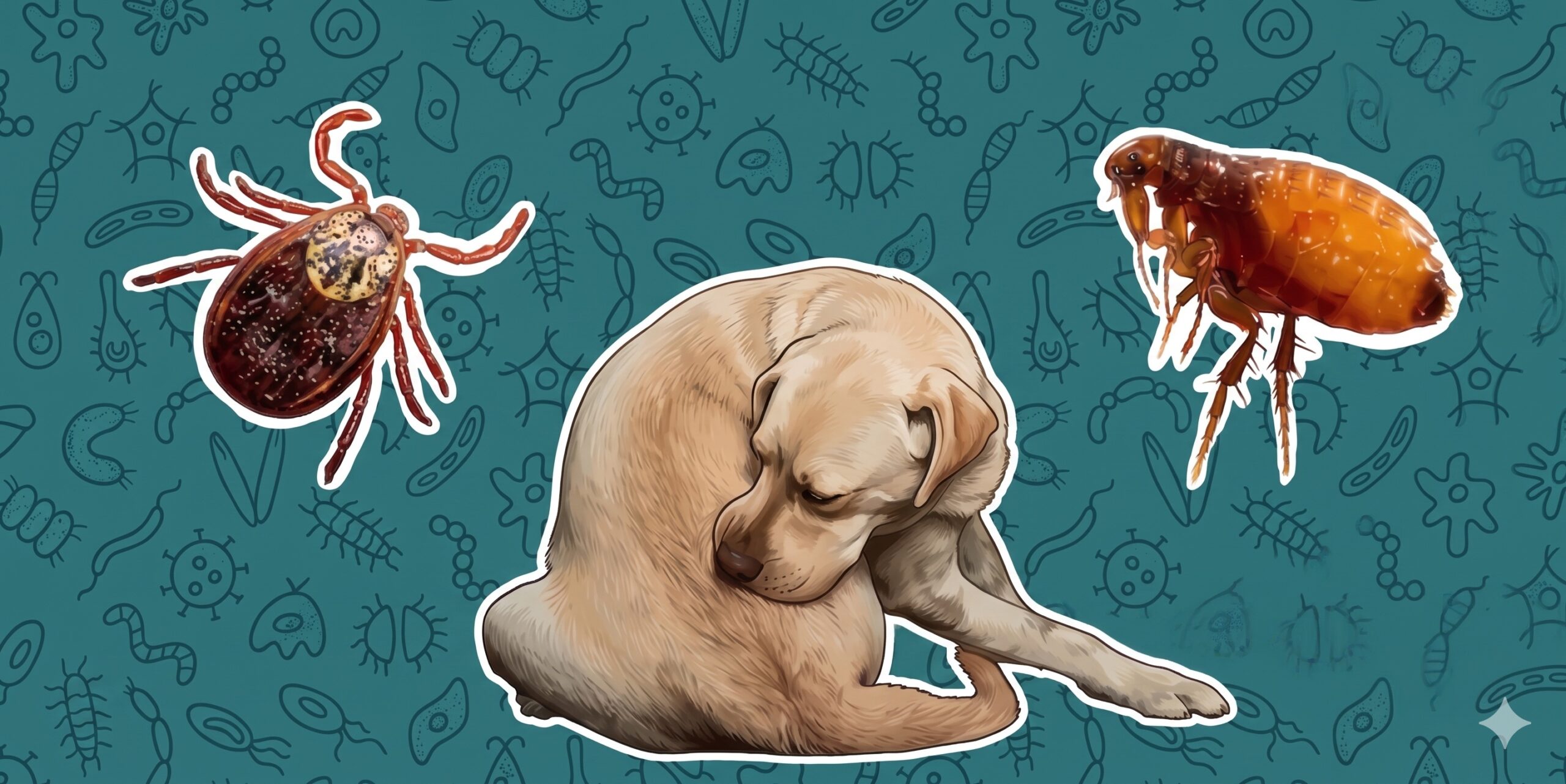
Living in Athens, Georgia with pets means understanding flea and tick season in Athens, GA runs year-round—not just spring and summer. Our warm, humid climate creates perfect conditions for these parasites to thrive twelve months a year. The good news? Modern prevention is easier and more effective than ever.
Here’s what every Athens pet owner needs to know about protecting their dogs and cats in 2026.
When Is Flea and Tick Season in Athens, GA?
Short answer: Year-round, with peak activity from April through October.
Unlike northern states, Georgia’s mild winters don’t eliminate flea and tick populations. Here’s the breakdown:
Peak Season (April-October)
- Temperatures consistently above 70°F
- High humidity accelerates flea breeding cycles
- Ticks are most active in wooded areas and tall grass
- Outdoor activities increase pet exposure
Off-Peak Season (November-March)
- Fleas continue breeding indoors
- Ticks emerge on warm days (above 40°F)
- Athens regularly sees 50-60°F days even in winter
- Indoor pets still need protection
According to the Georgia Department of Public Health, ticks remain active year-round in most of Georgia. This makes consistent prevention critical for Athens, GA pet owners.
Why Athens Pet Owners Can’t Skip Prevention
Georgia ranks among the highest states for flea and tick populations. Here’s why flea and tick season Athens GA presents unique challenges:
Our Climate
- Average annual humidity: 70%+
- 220+ days above 70°F annually
- Mild winters allow parasites to survive
Our Lifestyle
- Sandy Creek Park and Greenway trails
- Ben Burton Park off-leash area
- UGA campus game day activities
- Downtown outdoor dining with pets
The Numbers
- One female flea lays 50 eggs daily
- A single flea becomes 1,000+ offspring in 3 weeks
- 95% of flea infestations live in your home (not on your pet)
- Ticks can transmit disease in 36-48 hours
Moreover, the Centers for Disease Control reports that tick-borne diseases have more than doubled since 2004. Georgia sees particularly high rates of Rocky Mountain Spotted Fever and ehrlichiosis.
Diseases That Threaten Georgia Pets
Fleas and ticks carry serious diseases. Here are the most common in our area:
Rocky Mountain Spotted Fever (RMSF)
- Most common spotted fever in Georgia
- Transmitted by American dog ticks
- Symptoms: fever, lethargy, joint pain, neurological issues
- Can be fatal if untreated
Ehrlichiosis
- Increasingly common in Athens area
- Carried by Lone Star ticks
- Symptoms: fever, loss of appetite, bleeding disorders
- Georgia sees higher rates than most states
Lyme Disease
- Transmitted by blacklegged (deer) ticks
- Symptoms: lameness, joint swelling, kidney disease
- Less common than Northeast, but present in Georgia
Anaplasmosis
- Similar symptoms to ehrlichiosis
- Requires prompt antibiotic treatment
- Can cause serious complications
Alpha-Gal Syndrome
- Unique to Lone Star tick bites
- Causes red meat allergies in pets and people
- Increasingly documented in Southeast
Flea-Related Health Issues
Flea Allergy Dermatitis: Most common skin disease in dogs. One bite can cause severe itching for weeks, leading to hair loss, hot spots, and infections.
Tapeworms: Fleas carry tapeworm larvae. Pets get infected during grooming. Visible as rice-like segments in stool.
Anemia: Heavy infestations cause blood loss, particularly dangerous for puppies and kittens. Can be life-threatening.
Bartonella (Cat Scratch Disease): Fleas transmit between cats and can spread to humans through scratches. Common in Georgia’s warm climate.
Where Athens Pets Encounter Parasites
Your pet faces exposure in these common Athens locations:
Outdoor Areas
- Hiking trails at Sandy Creek Nature Center
- State Botanical Garden of Georgia paths
- North Oconee River Greenway
- Any area with tall grass or leaf litter
- Wooded areas throughout Athens-Clarke County
Urban Exposure
- Dog parks where pets congregate
- Downtown Athens sidewalk planters
- UGA campus green spaces
- Friends’ yards during visits
- Boarding and daycare facilities
Your Property
- Overgrown grass or shrubs
- Leaf piles and wood stacks
- Areas frequented by wildlife
- Shaded, moist spots under decks
Even indoor-only cats face risk. Fleas can enter on clothing, through open doors, or via rodents.
Best Flea and Tick Prevention for 2026
Year-round prevention is essential during flea and tick season in Athens, GA. Here are the most effective options:
Prescription Oral Medications (Veterinarian’s Top Choice)
Simparica Trio:
- Monthly chewable tablet
- Kills fleas within 4 hours
- Protects against 5 types of ticks
- Also prevents heartworms and intestinal parasites
- Safe for dogs 8+ weeks, 2.8+ lbs
NexGard PLUS:
- Beef-flavored monthly chewable
- Comprehensive flea, tick, heartworm protection
- Kills fleas before they can lay eggs
- Easy to administer
Bravecto:
- 12-week dosing (vs monthly)
- Available as chewable or topical
- Convenient for busy pet owners
- Effective against multiple tick species
Topical Spot-On Treatments
Revolution Plus (Cats):
- 6-in-1 parasite protection
- Safe for kittens 8+ weeks
- Kills fleas within 6 hours
- Controls ear mites, roundworms, hookworms
Advantage Multi:
- Broad-spectrum protection
- May be safer for seizure-prone pets
- Protects against fleas and heartworms
- Requires prescription
Over-the-Counter Options
Seresto Collar:
- 8 months continuous protection
- Water-resistant
- Odorless and non-greasy
- Good for pets who resist oral medication
⚠️ Important Safety Note: The FDA requires warnings on some flea/tick medications (isoxazolines) about potential neurologic side effects. While rare, discuss your pet’s medical history with your veterinarian. Dogs with seizure disorders need special consideration.
Not sure which prevention is right for your pet? Schedule a consultation at Boulevard Animal Hospital to discuss the best option for your dog or cat’s specific needs.
Beyond Medication: Environmental Prevention for Athens, GA Pets
Protecting your pet requires a multi-layer approach:
In Your Yard
Reduce Tick Habitat:
- Mow grass to ankle height weekly
- Remove leaf litter and brush piles
- Create wood chip or gravel barriers between lawn and woods
- Keep playground equipment away from wooded edges
Discourage Wildlife:
- Secure garbage cans
- Don’t feed outdoor animals
- Fence your property if possible
- Remove standing water sources
Inside Your Home
Weekly During Flea Season:
- Vacuum all carpets and furniture thoroughly
- Wash pet bedding in hot water (130°F+)
- Empty vacuum immediately into outdoor trash
- Focus on pet’s favorite resting spots
If You Find Fleas:
- Treat all pets simultaneously
- Use premise sprays designed for indoor use
- Consider professional extermination for severe infestations
- Continue treatment for 3+ months (full flea life cycle)
After Outdoor Activities
Always Check for Ticks:
- Run hands over your pet’s entire body
- Check between toes, inside ears, under collar
- Examine armpits, groin, and under tail
- Use a flea comb to detect flea dirt
How to Remove a Tick Safely
Found a tick on your pet? Follow these steps:
What TO Do
- Use fine-tipped tweezers
- Grasp tick close to skin surface
- Pull upward with steady, even pressure
- Don’t twist or jerk
- Clean bite area with rubbing alcohol
- Dispose of tick in alcohol or sealed tape
- Monitor pet for 30 days for symptoms
What NOT To Do
- ❌ Don’t use a hot match
- ❌ Don’t apply petroleum jelly or nail polish
- ❌ Don’t use your fingers
- ❌ Don’t squeeze the tick’s body
These methods can cause the tick to regurgitate into your pet, increasing disease transmission risk.
When to Call Your Vet: Contact Boulevard Animal Hospital if your pet develops fever, lethargy, loss of appetite, lameness, or unusual behavior within days of tick removal. We offer same-day sick appointments for urgent concerns.
Warning Signs of Flea or Tick Problems
Watch for these symptoms:
Flea Indicators
- Excessive scratching, especially at tail base
- Small black specks in coat (flea dirt)
- Red, irritated skin or hot spots
- Hair loss or bald patches
- Restlessness or disrupted sleep
Pro Tip: To test if black specks are flea dirt, place them on a damp white paper towel. Flea dirt (digested blood) will turn the towel red.
Tick-Borne Illness Symptoms
- Sudden fever
- Decreased energy or appetite
- Limping or reluctance to move
- Swollen lymph nodes
- Bruising or nosebleeds
- Behavioral changes
These symptoms can appear 1-3 weeks after a tick bite. Early treatment is critical for the best outcome.
If you notice any warning signs, contact us immediately. We can perform diagnostic testing and start treatment before conditions worsen.
Frequently Asked Questions
Do indoor cats need flea and tick prevention?
Yes. Fleas can enter homes on clothing, other pets, or through doors and windows. Even indoor-only cats face risk, especially in apartments or homes with outdoor access.
When should I start my puppy or kitten on prevention?
Most products are safe starting at 8 weeks of age and 2-4 lbs body weight. We can begin prevention at your puppy or kitten’s first wellness exam.
Are natural flea and tick preventatives effective?
Natural products (essential oils, herbal collars) may provide some repellent effect but rarely offer complete protection. Given the serious diseases ticks carry in Georgia, we recommend proven prescription products. However, natural products can supplement other prevention methods.
My pet is on prevention but I still found a tick. Did it fail?
Not necessarily. Many preventatives kill ticks after attachment, not before. Finding a dead or dying tick on a treated pet means the medication is working. However, always remove attached ticks promptly.
How much does flea and tick prevention cost?
Costs vary by product and pet size, typically $15-30 monthly for prescription products. This is far less expensive than treating tick-borne diseases, which can cost $500-2,000+.
Year-Round Prevention: The Bottom Line
Living in Athens means enjoying beautiful weather and outdoor spaces with our pets. It also means taking flea and tick season Athens GA seriously every month of the year.
The investment in consistent, veterinarian-recommended prevention protects your pet from:
- Painful, itchy flea infestations
- Life-threatening tick-borne diseases
- Expensive treatment costs
- Home infestations requiring extermination
At Boulevard Animal Hospital, we create customized prevention plans based on your pet’s:
- Age and health status
- Indoor vs outdoor lifestyle
- Exposure to other animals
- Your family’s preferences and budget
Ready to protect your pet from flea and tick season in Athens, GA? Schedule an appointment or call us at (706)425-5099. Our downtown Athens location makes it convenient to get the preventive care your pet needs.
About Boulevard Animal Hospital: Boulevard Animal Hospital has served downtown Athens and the Athens-Clarke County community for over 16 years. Our experienced veterinary team provides comprehensive care for dogs and cats, including wellness exams, vaccinations, flea and tick prevention, dental care, surgery, and urgent care services.