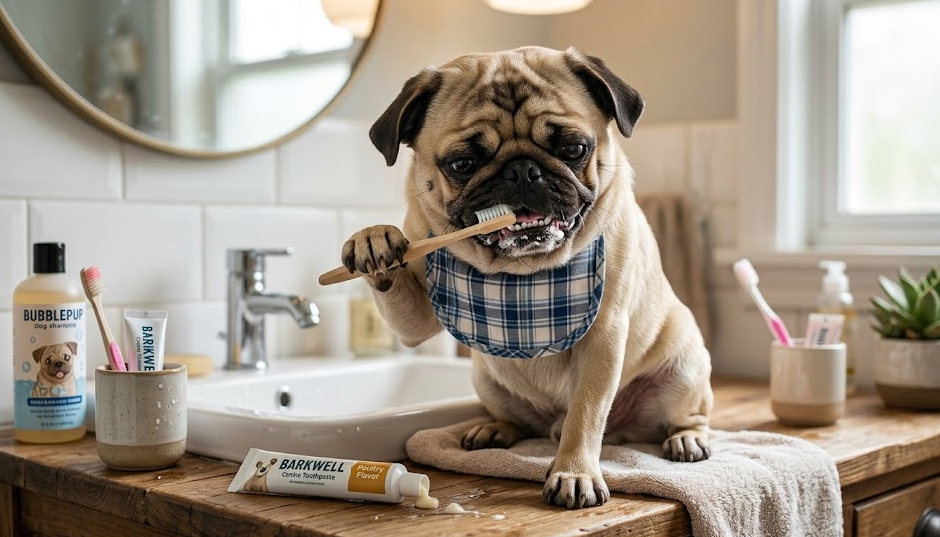
Pet dental health is about more than fresh breath. But a connection that is increasingly being recognized by veterinary professionals is one between poor oral health and serious heart disease. At Boulevard Animal Hospital in Athens, Georgia, dental wellness is considered a core part of every pet’s preventive care plan — not just for healthy teeth, but for a healthy heart.
When bacteria are allowed to build up in a pet’s mouth, they can enter the bloodstream and travel to vital organs, including the heart. This process, known as bacteremia, has been associated with a condition called bacterial endocarditis — an infection of the heart’s inner lining — as well as changes to heart valve tissue over time. The relationship between dental disease and cardiac health is one that every dog and cat owner in Athens, Georgia should understand.
What Is Periodontal Disease in Pets?
Periodontal disease is the most commonly diagnosed health condition in adult dogs and cats. By age three, an estimated 80% of dogs and 70% of cats show some signs of dental disease. It begins with plaque — a soft, sticky film of bacteria — that forms on tooth surfaces after eating. When plaque is not removed, it hardens into tartar (calculus), and inflammation of the gums, known as gingivitis, begins.
Left untreated, gingivitis progresses to periodontitis, a deeper infection affecting the structures that hold teeth in place. At this stage, bacteria are no longer confined to the mouth — they are absorbed into gum tissue and enter the bloodstream on a regular basis.
The stages of periodontal disease in pets are classified as:
- Stage 1: Gingivitis only, no bone loss — fully reversible with professional cleaning
- Stage 2: Early periodontitis, less than 25% bone loss
- Stage 3: Moderate periodontitis, 25–50% bone loss
- Stage 4: Advanced periodontitis, greater than 50% bone loss — tooth loss and systemic effects likely
For pets at Stage 2 and beyond, the risk of bacteria reaching the heart and other organs is significantly elevated. Schedule a dental wellness exam at Boulevard Animal Hospital if your pet has not been evaluated recently for pet dental health heart disease.
How Does Dental Disease Affect the Heart?
The mechanism by which oral bacteria cause cardiac damage is a subject of ongoing veterinary research, but the following pathways are well understood by veterinary professionals.
Bacterial Endocarditis
When oral bacteria — particularly Streptococcus and Staphylococcus species — enter the bloodstream through inflamed gum tissue, they can attach to heart valves and the inner lining of the heart. This infection, called bacterial endocarditis, can cause fever, lethargy, heart murmurs, and in severe cases, heart failure. While relatively uncommon, it is a serious and potentially fatal condition that is largely preventable with consistent dental care. Learn more about pet dental care from the American Veterinary Medical Association.
Heart Valve Changes Over Time
Chronic low-grade bacteremia from periodontal disease has been associated in both veterinary and human medicine with degenerative valve disease over time. Small breeds of dogs — including Cavalier King Charles Spaniels, Dachshunds, Chihuahuas, and Poodles — are already predisposed to mitral valve disease. Chronic dental infection may accelerate or worsen this process in susceptible pets.
Systemic Inflammation
Beyond direct bacterial seeding of the heart, the systemic inflammatory response triggered by chronic oral infection places ongoing stress on the cardiovascular system. Inflammatory mediators released in response to gum disease can affect blood vessel walls and contribute to organ damage throughout the body, including the kidneys and liver.
Signs That Your Pet May Have Dental Disease
Many dogs and cats are stoic animals — obvious signs of pain are not always displayed, even when dental disease is advanced. Signs that should prompt a veterinary dental evaluation include:
- Bad breath (halitosis) — often the first noticeable symptom
- Yellow or brown buildup on teeth, especially near the gumline
- Red, swollen, or bleeding gums
- Pawing at the mouth or face
- Dropping food or difficulty chewing
- Decreased appetite or a preference for soft food
- Excessive drooling
- Facial swelling, particularly below the eye (may indicate a tooth root abscess)
In cats especially, dental pain is frequently masked. Weight loss and reduced grooming may be the only clues that something is wrong. If any of these signs are noticed in your pet, a comprehensive oral health evaluation is recommended without delay. View the full range of veterinary services available at Boulevard Animal Hospital.
What Does a Professional Pet Dental Cleaning Involve?
A professional dental cleaning at Boulevard Animal Hospital is far more thorough than at-home brushing alone. The procedure is performed under general anesthesia — not because it is dangerous, but because a complete cleaning, probing, and oral examination simply cannot be performed safely or thoroughly on an awake animal.
A standard veterinary dental cleaning includes the following steps:
- Pre-anesthetic bloodwork to ensure your pet is healthy enough for anesthesia
- Full-mouth dental radiographs (X-rays) to evaluate tooth roots and bone below the gumline
- Supragingival scaling — removal of tartar above the gumline
- Subgingival scaling — removal of bacteria and tartar below the gumline, where periodontal disease begins
- Tooth polishing to smooth enamel surfaces and slow future plaque accumulation
- Oral charting to document the condition of each individual tooth
- Extractions if any teeth are found to be infected, fractured, or non-salvageable
Many pet owners are surprised at what is discovered when full dental X-rays are taken. Significant disease below the gumline is frequently present even when teeth appear relatively clean on the surface. The AAHA Dental Care Guidelines for Dogs and Cats provide additional guidance on what a complete dental evaluation should include.
How Often Should Pets Have Dental Cleanings for Optimal Pet Dental Health?
For most dogs and cats, a professional dental cleaning once per year is recommended as part of a complete wellness plan. However, some pets — particularly small breed dogs, flat-faced (brachycephalic) breeds, and senior pets — may benefit from cleanings every six months.
Factors that influence the appropriate dental cleaning frequency include:
- Breed — small breeds tend to accumulate tartar more rapidly
- Diet — dry kibble provides mild abrasive action; wet food tends to leave more residue on teeth
- Genetics — some dogs and cats are simply more prone to dental disease than others
- At-home dental care — daily brushing significantly reduces buildup between professional cleanings
- Age — dental disease tends to progress more quickly in older pets
A dental health plan tailored to your individual pet’s needs can be developed during a wellness exam. Request an appointment with our Athens veterinary team today.
At-Home Dental Care Between Professional Cleanings
Professional cleanings are essential, but what happens at home matters too. Daily tooth brushing is the gold standard for at-home pet dental care. The following tips are recommended by veterinary professionals:
- Use a pet-safe enzymatic toothpaste — never human toothpaste, which contains xylitol and fluoride that are toxic to pets
- Start slowly, allowing your pet to lick the toothpaste first before introducing the brush
- Brush in circular motions along the gumline, focusing on outer tooth surfaces
- Dental chews and water additives bearing the VOHC (Veterinary Oral Health Council) seal can be used to supplement brushing
- Dental diets formulated to reduce tartar accumulation can be recommended based on your pet’s individual needs
Even once or twice per week brushing is significantly better than none at all. Browse VOHC-accepted dental products for pets to find options that fit your routine.
Protecting Your Pet’s Heart Starts in Their Mouth
The connection between a healthy mouth and a healthy heart is one of the most important — and most frequently overlooked — aspects of preventive pet care. By scheduling regular professional dental cleanings and maintaining consistent at-home oral hygiene, the risk of cardiac complications from dental disease is significantly reduced.
At Boulevard Animal Hospital, located in the heart of downtown Athens, Georgia, dental health is treated as the serious medical issue it is. Our team is ready to evaluate your pet’s oral health and create a plan that protects not just their smile, but their overall wellbeing for years to come.
Call us or request an appointment online to schedule your pet’s dental exam today. Meet our veterinary team to learn more about the care your pet will receive at our Athens practice.
Frequently Asked Questions About Pet Dental Health and Heart Disease
Can bad teeth really cause heart disease in my dog or cat?
Yes. Bacteria from periodontal disease can enter the bloodstream and travel to the heart, contributing to conditions like bacterial endocarditis and potentially accelerating valve disease in breeds that are already predisposed to cardiac conditions. this can affect pet dental health.
My pet’s teeth look fine — do they still need a professional cleaning?
Possibly. Significant periodontal disease frequently exists below the gumline where it cannot be seen without dental X-rays. Annual professional evaluations are the only reliable way to assess full oral health in dogs and cats.
Is anesthesia safe for my pet’s dental cleaning?
Modern veterinary anesthesia protocols are very safe. Pre-anesthetic bloodwork and individualized monitoring make the procedure appropriate for the vast majority of healthy adult pets. Our team takes every precaution to ensure your pet’s comfort and safety throughout the procedure.
How do I know if my pet is in dental pain?
Pets often hide pain instinctively. Bad breath, reluctance to chew hard food, excessive drooling, or unexplained weight loss can all be signs of dental discomfort. A veterinary exam is the best way to assess your pet’s oral comfort and overall health.
What is the best way to start brushing my pet’s teeth at home?
The key is to start slowly and use positive reinforcement for pet dental health and heart disease. Allow your pet to taste the enzymatic toothpaste first, then gradually introduce the brush over several days. Short, calm sessions work better than long ones. Consistency over time is what produces results.