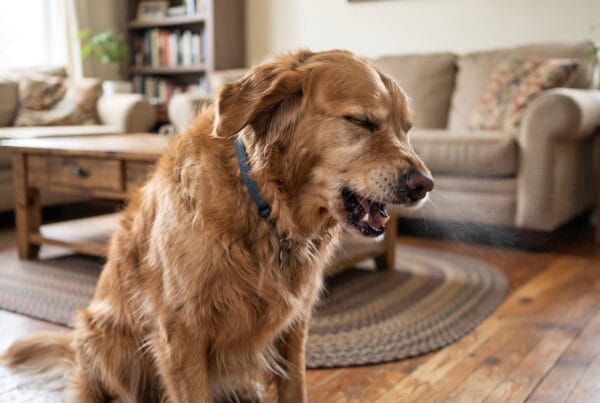
If your dog is constantly scratching their ears, shaking their head, or you notice a foul smell coming from their ears, they might have a dog ear yeast infection. This is one of the most common ear problems we see at Boulevard Animal Hospital in Athens, and the good news? It’s completely treatable once you know what you’re dealing with.
Yeast infections are particularly common in warm, humid climates like ours here in Georgia, and they respond well to treatment when caught early. In this guide, we’ll walk you through everything you need to know about dog ear yeast infections—from what causes them to how to prevent future infections.
What Is a Dog Ear Yeast Infection?
A dog ear yeast infection (also called otitis externa when it involves the outer ear) occurs when yeast grows out of control inside the ear canal. While yeast naturally lives on your dog’s skin and ears, certain conditions allow it to multiply rapidly, causing inflammation and infection.
Think of it this way: your dog’s ears have a delicate balance of healthy bacteria and yeast. This balance is perfectly normal and actually part of your dog’s natural defenses. But when a dog ear yeast infection develops, the yeast multiplies faster than your dog’s immune system can control it, leading to uncomfortable symptoms.
Here’s the important distinction: yeast infections are different from bacterial ear infections or ear mites. A yeast infection involves the overgrowth of organisms like Malassezia, which thrive in warm, moist environments. While bacterial infections require antibiotics, yeast infections need antifungal medications. That’s why a proper diagnosis from your veterinarian is so important—the wrong treatment can delay healing.
Common Causes of Dog Ear Yeast Infection
Dog ear yeast infections don’t happen randomly. Understanding what causes them helps you prevent future infections and address the underlying issues.
Allergies (The #1 Cause)
If we had to pick one primary culprit behind dog ear yeast infections, it’s allergies. Here’s how it works: when your dog has food allergies (to chicken, beef, wheat, or corn) or environmental allergies (to pollen, dust mites, or mold), their ears become inflamed. This inflammation disrupts the healthy balance of bacteria and yeast, creating the perfect environment for yeast to multiply.
In Athens, we see a spike in ear yeast infections during high pollen seasons. If your dog is scratching year-round or seasonally, allergies are likely the underlying cause. Managing your dog’s allergies is essential not just for preventing ear infections, but for their overall comfort and health.
Warm, Humid Environment
Yeast thrives in warm, moist conditions—which is exactly what the inside of a dog’s ear provides naturally. Add Athens’ subtropical humidity, and you’ve got a recipe for yeast overgrowth. Summer months are peak yeast season for our clients, and dogs that swim or play in water year-round have elevated infection risk.
Long-eared breeds like Spaniels, Labradors, and Basset Hounds are particularly vulnerable because their floppy ears trap moisture and limit air circulation. If you have one of these breeds, regular ear care is non-negotiable.
Moisture Trapped in Ears
Beyond just the humid climate, moisture gets trapped in ears after:
- Baths (if water gets in the ear canal)
- Swimming or water play
- Improper drying after grooming
- Accumulation of waxy debris that holds moisture
Even a single bath with water left in the ear can create an environment where yeast begins to multiply.
Weakened Immune System
A healthy immune system keeps yeast populations in check. When your dog’s immune system is compromised—due to autoimmune disease, certain medications, diabetes, or age-related decline—yeast infections become more likely. Senior dogs and those on long-term steroid medications are at higher risk.
Ear Mites or Secondary Infections
Sometimes a dog ear yeast infection develops as a secondary infection. For example, if your dog had ear mites or a bacterial infection first, the damaged tissue becomes an ideal breeding ground for yeast. Treating the initial problem is crucial to prevent secondary yeast infection.
Poor Ear Hygiene
Dogs whose ears aren’t cleaned regularly can develop buildup of waxy debris and dead skin cells. This buildup traps moisture and creates perfect conditions for yeast. Poor ventilation in the ear canal means yeast can multiply unchecked.
The truth is, a dog ear yeast infection is often a symptom of an underlying issue rather than a disease itself. That’s why addressing root causes—especially allergies—is essential for long-term prevention.
Signs Your Dog Has an Ear Yeast Infection
Catching a yeast infection early makes treatment much faster and easier. Here are the telltale signs to watch for.
Physical Symptoms
Constant Itching & Scratching: Your dog may scratch at their ears excessively, shake their head frequently, or rub their ears on the floor or furniture. This is often the first sign owners notice.
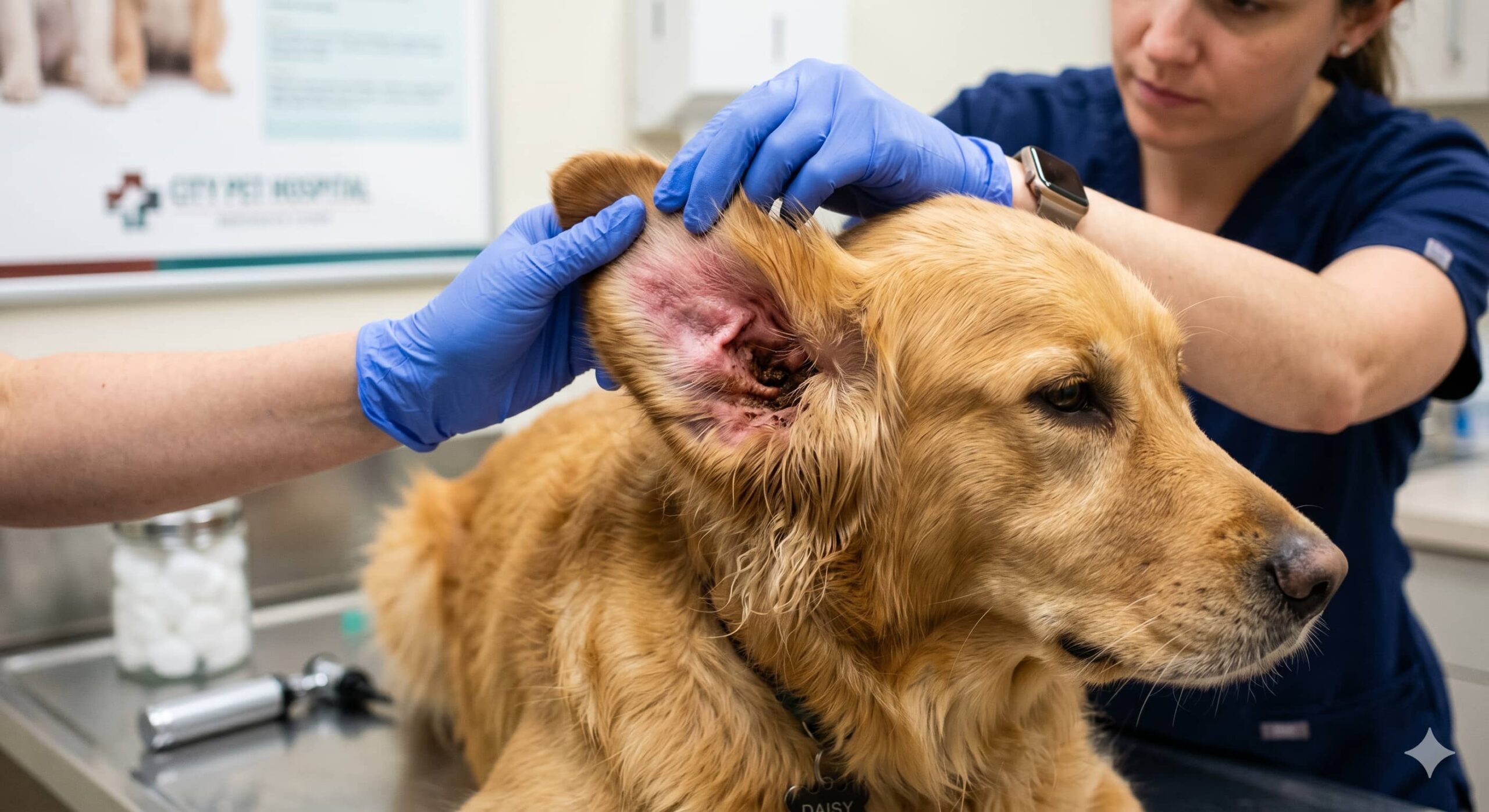
Redness & Swelling: Look inside your dog’s ear. Healthy ears are light pink. Infected ears will be noticeably red or dark pink, and the tissue may be swollen.
Waxy Discharge: One of the most distinctive signs is discharge that ranges from brown to yellow to black. This waxy buildup is often the yeast and debris accumulating in the ear canal.
Distinctive Odor: Here’s a classic sign: if your dog’s ears smell like corn chips or have a musty, yeasty smell, that’s a strong indicator of yeast infection. This smell comes from the yeast organisms themselves.
Thickened Ear Flaps: The edges of the ear flap may appear thickened, crusty, or scaly. This is chronic inflammation from constant scratching.
Hair Loss: From persistent scratching and friction, you might notice hair loss around and inside the ears.
Behavioral Symptoms
Beyond physical signs, watch for behavioral changes:
- Excessive ear scratching (sometimes to the point of self-injury)
- Frequent head shaking
- Head tilting to one side (sign of pain)
- Sensitivity or pain when you touch the ears
- Irritability or difficulty sleeping due to discomfort
- In severe cases, decreased appetite
When to Call Boulevard Animal Hospital
Don’t wait if you notice:
- Symptoms lasting more than a few days
- Signs getting worse despite at-home care
- Your dog seems in pain
- A foul odor from the ears
- Discharge that changes color or increases
- Hearing loss or balance problems
If you suspect your Athens dog has an ear yeast infection, contact Boulevard Animal Hospital right away. Early treatment prevents complications and gets your pup feeling better faster.
How We Diagnose Dog Ear Yeast Infection
Diagnosis is quick and painless—we take a small sample to confirm yeast is the problem and rule out other conditions.
The Diagnostic Process:
First, we perform a visual examination using an otoscope, a special instrument that lets us look deep into the ear canal. This shows us the extent of inflammation and any visible discharge.
Next, we take a gentle swab of the discharge—this doesn’t hurt your dog. We then view the swab under a microscope (cytology) to identify whether yeast cells are present. If needed, we can send a sample for culture, which identifies the specific type of yeast and confirms which medications will work best.
If your dog has had multiple ear infections, we may recommend allergy screening to identify the underlying cause and prevent future infections.
This diagnostic approach ensures we’re treating the actual problem, not just guessing based on symptoms. It typically takes just a few minutes and provides clarity on the best treatment plan.
Treatment Options for Dog Ear Yeast Infection
The good news: dog ear yeast infections respond well to treatment. Here’s what to expect.
Professional Ear Cleaning
The first step in treating a dog ear yeast infection is often a professional cleaning at our clinic. Unlike at-home cleaning, a professional cleaning removes deep debris and excess yeast that you can’t reach with drops alone. This also removes the yeasty discharge and allows medications to penetrate to the infected tissue.
Many dogs show noticeable relief within just a few days of professional cleaning and starting medication.
Topical Antifungal Medications
The most common treatment is antifungal ear drops, applied 1-2 times daily for 7-14 days. These medications contain ingredients like miconazole or clotrimazole that kill yeast. They’re often combined with anti-inflammatory medication to reduce swelling and discomfort.
Proper application is crucial. Your vet will show you the correct technique to get medication deep into the ear canal rather than just coating the surface. We usually recommend having your dog’s head tilted so gravity helps the medication reach all affected areas.
Oral Antifungal Medications
For severe or chronic infections, oral antifungal tablets or capsules may be prescribed. These are taken daily for 2-4 weeks and treat the infection systemically. Oral medications are typically used when topical treatment alone isn’t sufficient, or when the infection is severe.
Addressing Underlying Causes
Here’s what many dog owners don’t realize: treating just the yeast infection without addressing the root cause means it’ll likely come back. That’s why we work with you to identify and manage underlying issues:
Allergies: We may recommend an elimination diet, allergy testing, or allergy medications to reduce ear inflammation.
Regular Ear Cleaning Routine: We’ll show you how to safely clean your dog’s ears at home to prevent future buildup.
Grooming Adjustments: For floppy-eared breeds, regular professional grooming and ear hair trimming improves air circulation.
Drying Technique: After baths or swimming, proper drying prevents moisture accumulation.
Managing Chronic Conditions: If diabetes, autoimmune disease, or other health issues are contributing, controlling those helps prevent infection recurrence.
How Long Does Treatment Take?
You’ll see initial improvement within 3-5 days of starting treatment. Complete resolution typically takes 2-3 weeks of consistent medication application. However, full healing and normalization of the ear tissue can take 4-6 weeks.
This is why completing the entire medication course is crucial, even if symptoms improve. Stopping medication early allows surviving yeast to multiply again, requiring you to start treatment over.
How to Prevent Dog Ear Yeast Infections
Prevention is easier than treatment. Here’s how to keep your dog’s ears healthy.
Regular Ear Cleaning
Clean your dog’s ears weekly (or as your vet recommends) using a vet-approved ear cleaner. Use a gentle technique—never push the cleaning solution deeply into the ear. Let it soften the debris for a minute, then gently wipe away the loosened wax with a cotton ball.
For Athens pets, consider cleaning more frequently during humid summer months when yeast risk is highest.
Dry Ears Thoroughly After Water Exposure
After swimming, baths, or water play, dry your dog’s ears carefully. Use a soft cloth or cotton balls to gently absorb moisture. For breeds prone to ear infections, some owners use cotton balls or swimmer’s ear plugs during baths to prevent water entry entirely.
Manage Your Dog’s Allergies
Work with your vet to identify and manage food and environmental allergies. This might involve:
- An elimination diet to identify food triggers
- Omega-3 supplements for skin and ear health
- Allergy medication during high pollen seasons
- Avoiding known allergens when possible
Managing allergies is often the most important step in preventing recurring ear infections.
Grooming for Better Air Circulation
Keep ear hair trimmed, especially for floppy-eared breeds. Hair restricts air circulation and traps moisture. Professional grooming every 6-8 weeks, with emphasis on ear care, makes a huge difference. Ask your groomer to avoid getting water in the ears during baths.
Monthly Ear Checks at Home
Develop a habit of checking your dog’s ears monthly:
- Smell them (any yeasty odor?)
- Look at the color (healthy pink vs. red?)
- Check for discharge buildup
- Watch for scratching behavior changes
Catching problems early means faster, easier treatment.
Boost Your Dog’s Overall Immune System
A healthy immune system prevents infections. Support this through:
- High-quality, balanced diet
- Regular exercise
- Stress management
- Adequate sleep
- Regular vet checkups and preventive care
When to Seek Professional Help at Boulevard
Some ear issues require professional care. Schedule an appointment if:
- Symptoms don’t improve in 5-7 days despite at-home care
- Your dog has recurring ear infections (3+ per year)
- Your dog seems in severe pain or discomfort
- Discharge is green, bloody, or has a foul smell
- Swelling is spreading to the face or neck
- Your dog shows hearing loss or balance problems
- Your dog is a breed prone to ear infections and you want preventive guidance
What to Expect at Your Visit:
We’ll perform a thorough ear exam with an otoscope, collect a sample for microscopic evaluation, and discuss a personalized treatment plan. We’ll show you exactly how to apply medications at home and schedule a follow-up appointment (usually 2 weeks) to ensure the infection is resolving.
Contact Boulevard Animal Hospital:
Phone: (706) 425-5099
Address: 298 Prince Ave, Athens, GA 30601
Hours: Monday-Wednesday 8AM-6PM, Thursday-Friday 8AM-5PM, Saturday 8AM-12PM
FAQ About Dog Ear Yeast Infections
Q: Can I treat dog ear yeast infection at home?
A: Minor cases might improve with diligent home cleaning and over-the-counter products, but we always recommend a vet exam first to confirm yeast is the problem and rule out bacterial infection or ear mites. Professional treatment works faster and prevents complications.
Q: Is dog ear yeast infection contagious to humans?
A: No. While both dogs and humans can get yeast infections, the specific organisms are different and not contagious between species. You can’t catch your dog’s ear infection.
Q: Will my dog’s ear yeast infection come back?
A: It depends on the underlying cause. If allergies are the root issue, you may see recurrence until allergies are well-managed. However, proper ear hygiene, regular cleaning, and allergy management significantly reduce reinfection risk. Many of our clients with chronic-prone dogs see excellent results with a solid prevention routine.
Q: Can I use human antifungal cream in my dog’s ear?
A: No. Human antifungal products aren’t formulated for dogs’ ears and can cause irritation or toxicity. Always use veterinarian-approved ear medications specifically designed for canine use.
Q: How much does treatment cost?
A: Cost varies based on severity and underlying conditions. An initial exam and professional ear cleaning ranges from $75-150. Medications typically cost $30-75. If allergy testing or additional diagnostics are needed, costs increase accordingly. Call us at (706) 425-5099 for a specific estimate based on your dog’s situation.
Conclusion
Dog ear yeast infections are uncomfortable for your pup, but they’re one of the most treatable ear problems we see at Boulevard Animal Hospital. The key is recognizing early signs, getting prompt professional diagnosis and treatment, and addressing underlying causes to prevent recurrence.
If you notice itching, odor, discharge, or redness in your dog’s ears, don’t wait. Early treatment means faster relief for your dog and better long-term outcomes.
If you suspect your Athens dog has an ear yeast infection, contact Boulevard Animal Hospital today at (706) 425-5099 or request an appointment online. Our team will have your pup feeling better quickly.